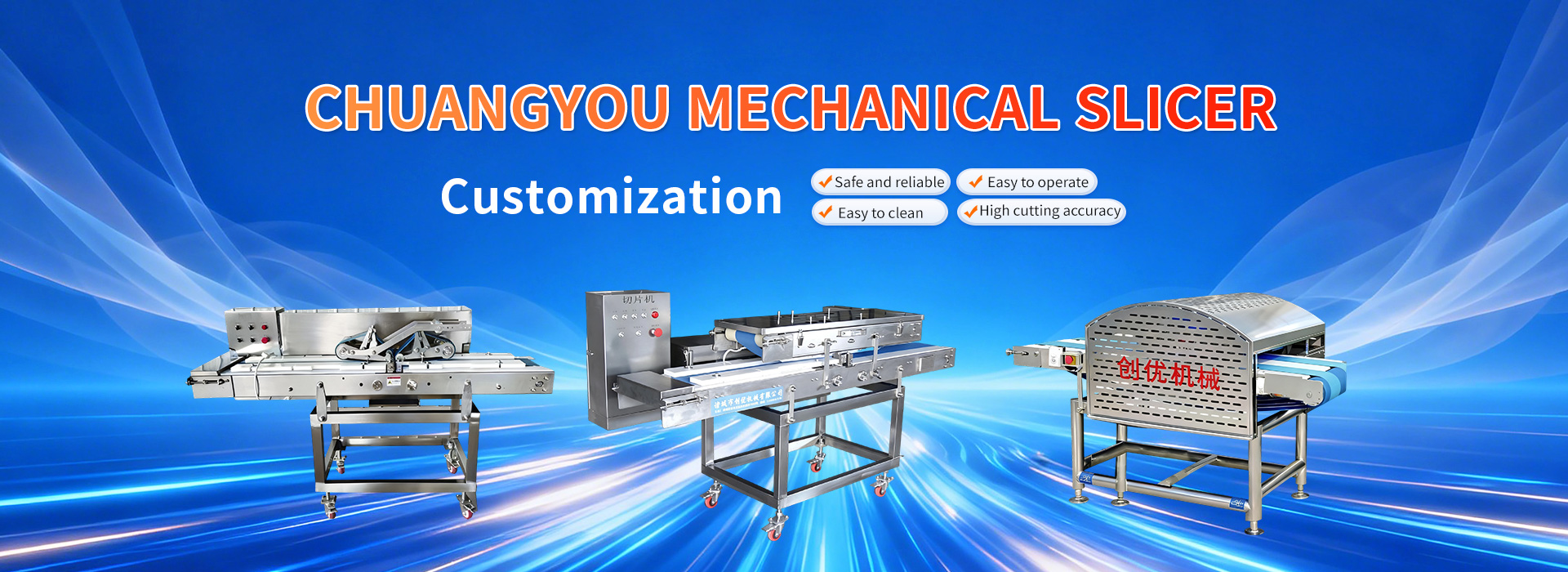
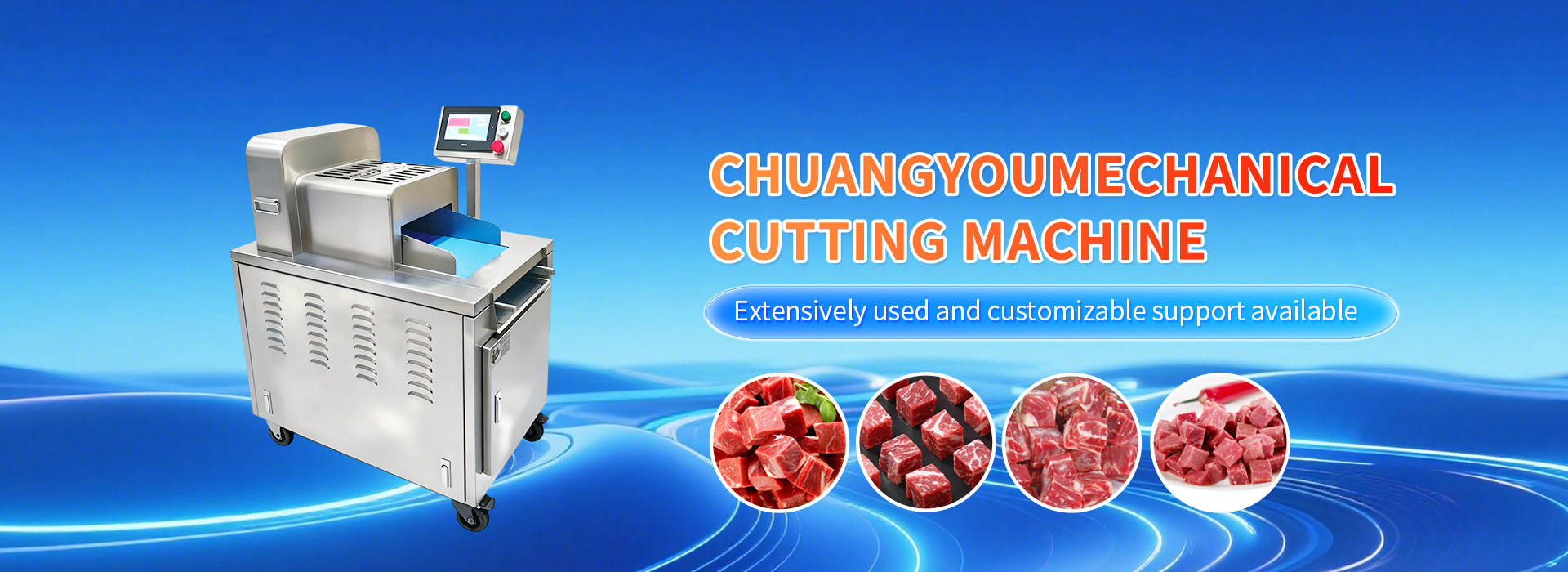
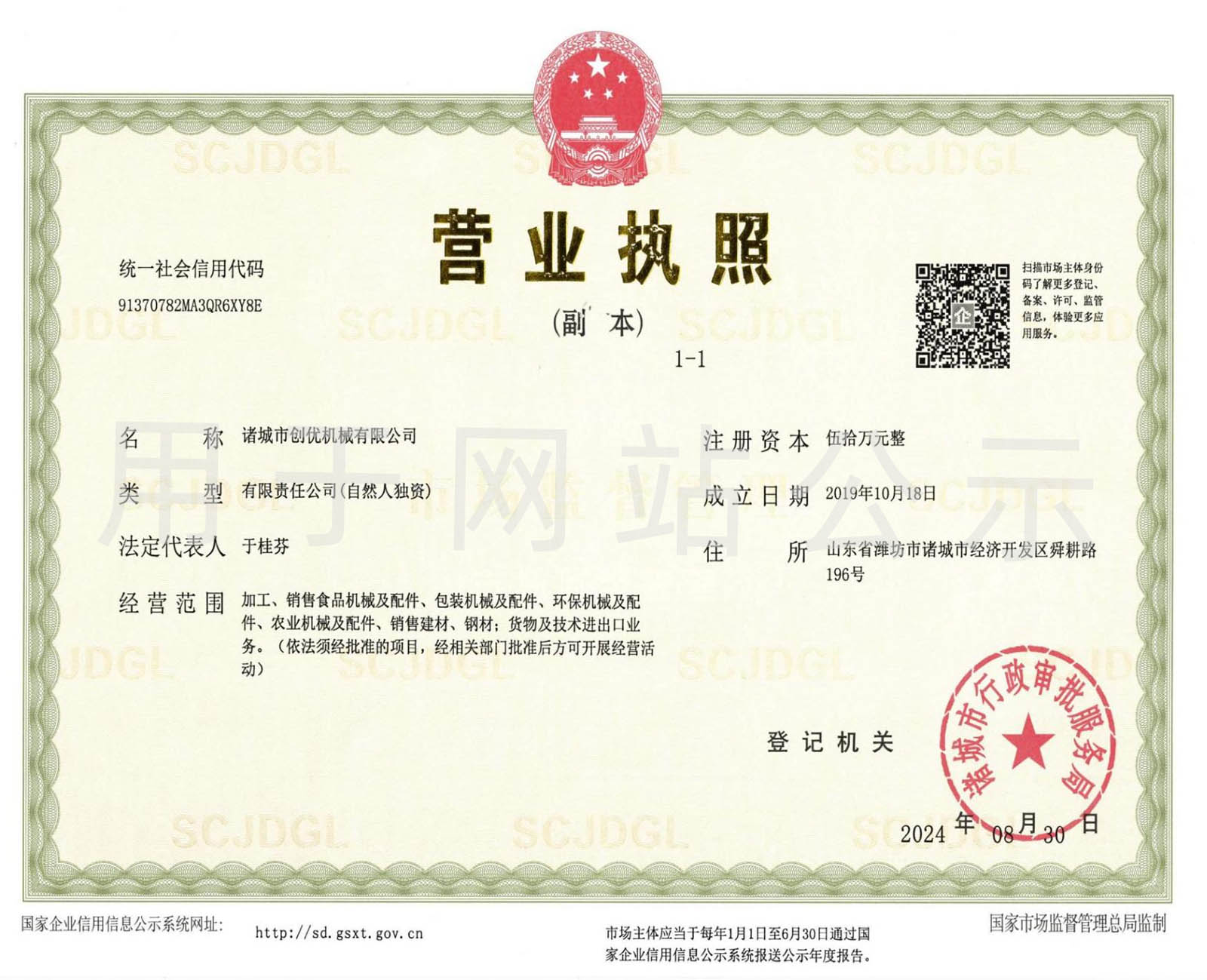
Zhucheng City Chuangyou Machinery Co., Ltd. is a supplier that provides equipment for meat processing and cutting.

Select language version

National Service Hotline

+ 86 159 5446 1819

Enterprise email

411822281@qq.com

Inquiry

language

联系我们
如果您有任何疑问,请立即联系!
Home > News
Classify

What should be noted during the use of a meat slicer?

2025-11-26
As a commonly used equipment in food processing, meat slicers need to consider operational safety, product quality, equipment lifespan, and food safety when used. The following provides a detailed explanation of the core precautions from three stages: before startup, during operation, and after shutdown, based on commercial (meat product factories, central kitchens) and household scenarios:

1、 Preparation before startup: Establish a solid foundation of safety and hygiene

(1) Equipment inspection (critical safety prerequisite)

  1. Security protection inspection:
    • Confirm that the knife group protective cover (transparent organic glass cover, metal protective net) is intact, firmly installed, and not loose or missing; Check if the emergency stop button is sensitive (it can immediately cut off the power when pressed), and if the equipment grounding device is reliable (grounding resistance≤ 4Ω); )To avoid the risk of electrical leakage.
    • Check the blade status: The blade should be sharp, without notches or curled edges (blunt blades can easily cause meat to be squeezed and broken, increasing the risk of jamming), and installed firmly without looseness; If the blade is damaged or severely worn, replace it immediately (power off and wear cut resistant gloves when replacing).
  2. Equipment function check:
    • Before powering on, manually rotate the blade (or start a no-load trial run) to confirm that the blade rotates smoothly without any jamming or abnormal noise (excluding issues such as tool shaft jamming or bearing damage); Check that the conveyor belt and feeding plate are running smoothly, and that the speed control knob and feeding adjustment device are flexible and effective.
    • Sealing and leak prevention inspection: Check if the knife shaft seal and conveyor belt joint are intact and there is no lubricating oil leakage (if there is a leakage, replace the seal and clean the oil stains to avoid contaminating the meat).
  3. Hygiene and cleaning inspection:
    • The parts of the equipment in contact with meat (blades, hoppers, conveyor belts, cutting chambers) must be free of visible stains, meat residue, blood, and have a dry and odorless surface; If it is for multiple batches of processing or changing categories, it needs to be cleaned and disinfected again (according to the“ Rinse→ Cleaning→ Disinfection→ Rinse→ Dry” Process), ensuring compliance with food hygiene requirements (can be validated using ATP fluorescence detector, total colony count≤ 10 CFU/cm²); ).

(2) Preparation of raw materials and personnel

  1. Specification for raw material pretreatment:
    • Meat should be thawed to a suitable hardness (-4 ℃~0 ℃ semi frozen state is optimal), avoiding complete thawing (soft meat is prone to adhesion) or excessive freezing (hard meat can damage blades and increase equipment load); After thawing, it is necessary to clean and drain, remove bones, cartilage, fascia, plastic foreign objects, etc., to prevent the blade from getting stuck or causing foreign objects to be mixed in the meat slices during cutting.
    • Raw material size adaptation: The meat chunks need to match the feeding port of the equipment to avoid difficulties in feeding or machine jamming caused by excessive size or thickness; If the raw material is too large, it needs to be cut into pieces in advance (with a size not exceeding 80% of the width of the feeding port).
  2. Personnel operation preparation:
    • Operators are required to wear food grade work clothes, masks, hairnets, and cut resistant gloves (to avoid direct contact with blades or contamination by meat juices), and are prohibited from wearing jewelry, watches, or bracelets (to prevent them from falling off and getting caught in equipment or contaminating meat); When there is a wound on the hand, waterproof band aids and double layered gloves should be worn.
    • Pre job training: Operators must be familiar with the equipment operation process, speed regulation methods, and emergency shutdown operations. It is prohibited for unlicensed or untrained personnel to operate (especially commercial large-scale slicers).

2、 Running operation: standardized process+risk prevention and control

(1) Core Operating Standards

  1. Startup and parameter adjustment:
    • Start the equipment with no load first, run for 30 seconds to 1 minute, observe whether the blade rotates and the conveyor belt runs smoothly without any abnormal noise, and then put in the raw materials; Prohibit starting the machine with materials to avoid equipment overload.
    • Adjust the slicing thickness knob (usually adjustable by 0.1-10mm on commercial machines) and feeding speed based on the characteristics of the meat (hardness, fat to lean ratio) and slicing requirements (thickness, width) to ensure even slicing; Avoid blindly increasing the speed (which can lead to meat pieces breaking, sticking, or equipment jamming).
  2. Requirements for feeding operation:
    • Meat must be pushed through the feeding plate, and direct contact with the raw materials near the blade is prohibited (even with a protective cover, hands should be avoided from entering the feeding port area); If the raw materials get stuck, the machine should be shut down and powered off first, and then tools (such as plastic scrapers) should be used to assist in adjustment. It is forbidden to clean by hand while the machine is turned on.
    • Keep the raw materials stable during feeding, avoid squeezing them forcefully (which can cause deformation of the meat slices and uneven force on the blades), and allow the raw materials to naturally feed along with the conveyor belt; If the meat is too hard (if not completely thawed), the machine should be stopped and thawed before processing, and forced feeding is prohibited.
  3. Processing environment control:
    • The temperature in the processing area should be 10 ℃ (in accordance with GB 14881-2013) to avoid prolonged exposure of meat at room temperature and the growth of bacteria; At the same time, keep the environment dry and clean, without dust or foreign objects falling and contaminating the meat slices.
    • Separate raw and cooked meat: The same equipment is prohibited from processing raw and cooked meat products simultaneously; If it is necessary to switch between raw and cooked processing, the equipment must be thoroughly cleaned and disinfected, and verified to be qualified before use to avoid cross contamination.

(2) Common risk prevention and control

  1. Anti card machine and overload:
    • If the equipment gets stuck (blade stops rotating, conveyor belt does not move), immediately press the emergency stop button, cut off the power, clean the stuck meat, investigate the cause (hard raw materials, oversized, blunt blades), and restart after handling. It is forbidden to forcefully turn on or tap the equipment.
    • Commercial aircraft need to pay attention to changes in current (observed through an ammeter). If the current exceeds the rated value, it indicates that the equipment is overloaded and the feeding speed needs to be reduced or the raw materials checked to avoid motor burnout.
  2. Anti adhesion and contamination of meat slices:
    • During the cutting process, if the meat slices stick together (especially for meat with high fat content), a small amount of food grade vegetable oil (such as soybean oil) can be gently applied to the surface of the blade, or the slicing speed can be adjusted appropriately to avoid the accumulation of meat slices at the discharge port.
    • Regularly clean the meat slices at the discharge outlet to avoid excessive accumulation and falling to the ground or being contaminated by equipment; The container for collecting meat slices should be clean, dry, and made of food grade materials such as stainless steel and food grade plastic.
  3. Equipment operation monitoring:
    • Continuously observe the operation status of the equipment during the processing. If there is abnormal noise from the blades, severe vibration, deviation of the conveyor belt, or leakage of lubricating oil, immediately stop the machine for inspection and prohibit operation with defects.
    • The continuous operation time of commercial aircraft should not exceed 4 hours (according to the equipment manual), and regular shutdown cooling should be carried out to avoid motor overheating. At the same time, the blade temperature should be checked (if the blade is overheated, it may cause meat adhesion or spoilage).

3、 Post shutdown treatment: cleaning+maintenance+safe closure

(1) Cleaning and disinfection (core of ensuring food safety)

  1. Cleaning process:
    • After the power is cut off, first remove the detachable components (such as blades, push plates, hoppers, conveyor belts), and rinse the surface of the meat residue and blood with flowing water (water temperature: 38 ℃); Soak or wipe with food grade neutral cleaning agents (such as alkaline cleaning agents), focusing on cleaning the gaps between the blade shaft and the dead corners of the cutting chamber, and then rinse off any residue of the cleaning agent with flowing water.
    • Disinfection treatment: use food grade disinfectant (such as chlorine containing disinfectant 50~200 mg/L) to soak (more than 10 minutes) or spray sterilize the equipment parts, and then use sterile water to rinse the residual disinfectant to avoid chemical pollution.
    • Dry storage: Dry the cleaned and disinfected components naturally or wipe them dry with a clean cloth, and then reassemble the equipment; The surface of the equipment should be kept dry to avoid moisture and bacterial growth.
  2. Cleaning taboos:
    • Do not directly rinse the equipment motor, control panel, and power interface with water (to prevent short circuit and leakage); Commercial aircraft should pay attention to waterproof rating (usually IP65 or above) to avoid unauthorized flushing.
    • It is prohibited to use hard tools such as steel wire balls and hard brushes to wipe the contact surfaces of blades or equipment (which can easily scratch the surface and cause residue and bacterial growth). It is recommended to use soft brushes or sponges for cleaning.

(2) Equipment maintenance and storage

  1. Daily maintenance:
    • After cleaning, check the sharpness of the blade. If there is any curling or blunting, use a specialized sharpening stone to polish it (the blade can be replaced on commercial machines); When polishing, the blade should be fixed to avoid sliding and scratching the hands.
    • Check the lubrication condition of the blade shaft and bearings. Commercial machines need to regularly add food grade lubricating oil (such as H1 grade lubricating oil) to avoid leakage and contamination of non food grade lubricating oil; Home appliances can be regularly maintained according to the instructions.
    • Clean the dust and oil stains on the equipment casing, check if the protective cover and emergency stop button are intact, and ensure safety for future use.
  2. Long term storage:
    • If the equipment is not used for a long time (more than 1 month), it needs to be thoroughly cleaned and disinfected, and the blades should be coated with a small amount of food grade anti rust oil (to avoid rusting). The equipment should be placed in a dry, ventilated, cool place, away from direct sunlight or humid environment.
    • Detachable components should be stored separately to avoid deformation caused by compression; The power plug needs to be unplugged, and the cables should be organized to avoid damage.

4、 Special scenario precautions

(1) Commercial large-scale slicer (meat factory, central kitchen)

  1. Regularly calibrate equipment: check the accuracy of slice thickness and conveyor belt speed every week to ensure compliance with production requirements; Conduct a comprehensive equipment maintenance (motor, transmission system, safety devices) once a month.
  2. Batch processing control: Every 1-2 hours of processing, stop and clean the residual meat residue on the cutting shaft and cutting chamber to avoid accumulation and bacterial growth; When changing meat categories, thorough cleaning and disinfection must be carried out and recorded.
  3. Security protection upgrade: It is prohibited to open the protective cover while the equipment is running; If maintenance or replacement of the blade is required, it needs to be suspended; Under repair” Identify, cut off power and lock (to prevent accidental operation).

(2) Household small slicer

  1. Power safety: When using a household 220V power supply, ensure that the socket is well grounded and avoid using inferior power strips; Avoid splashing liquids onto the power interface during processing.
  2. Child protection: The equipment should be placed out of reach of children, and children are prohibited from operating or approaching running equipment.
  3. Blade replacement: Household machine blades are usually detachable, and cutting resistant gloves should be worn when replacing them. Follow the instructions to avoid the blades falling off and scratching.

Core Taboo List (Absolute Prohibited Operations)

  1. Do not directly touch the rotating blade or insert it into the feeding port area with your hands;
  2. Prohibit starting the machine with ingredients, forcibly feeding or processing meat containing bones or foreign objects;
  3. It is prohibited to clean, adjust equipment or replace blades without power off;
  4. Do not rinse electrical components such as motors and control panels with water;
  5. Prohibit the use of non food grade lubricants, disinfectants, or cleaning tools;
  6. It is prohibited to mix raw and cooked meat products on the same equipment without cleaning and disinfecting;
  7. Unauthorized and untrained personnel are prohibited from operating commercial large-scale slicers.

Contact way

Zhucheng Chuangyou Machinery Co., LTD

Contact person: Mr. Zhang

Phone:15954461819

Email:411822281@qq.com

Address: No. 196, Shunqing Road, Economic Development Zone, Zhucheng City

Copyright © Zhucheng Chuangyou Machinery Co., LTD All rights reserved

备案号:鲁ICP备2025196235号