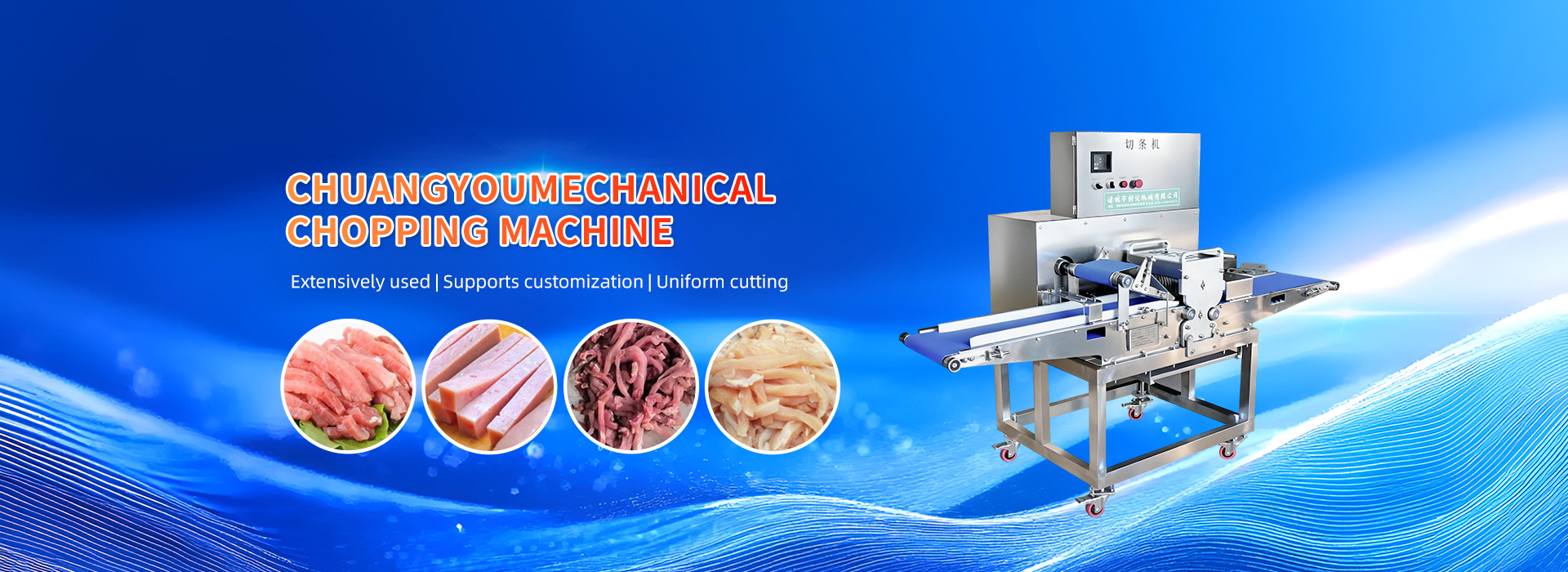
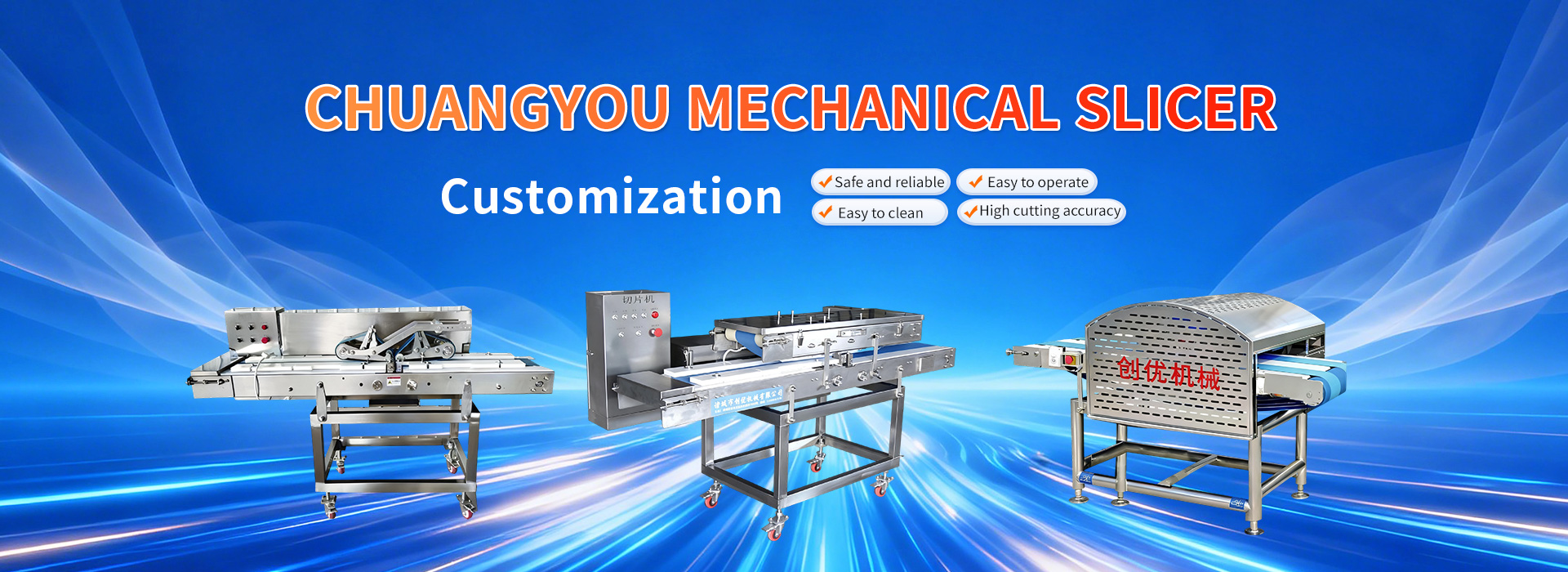
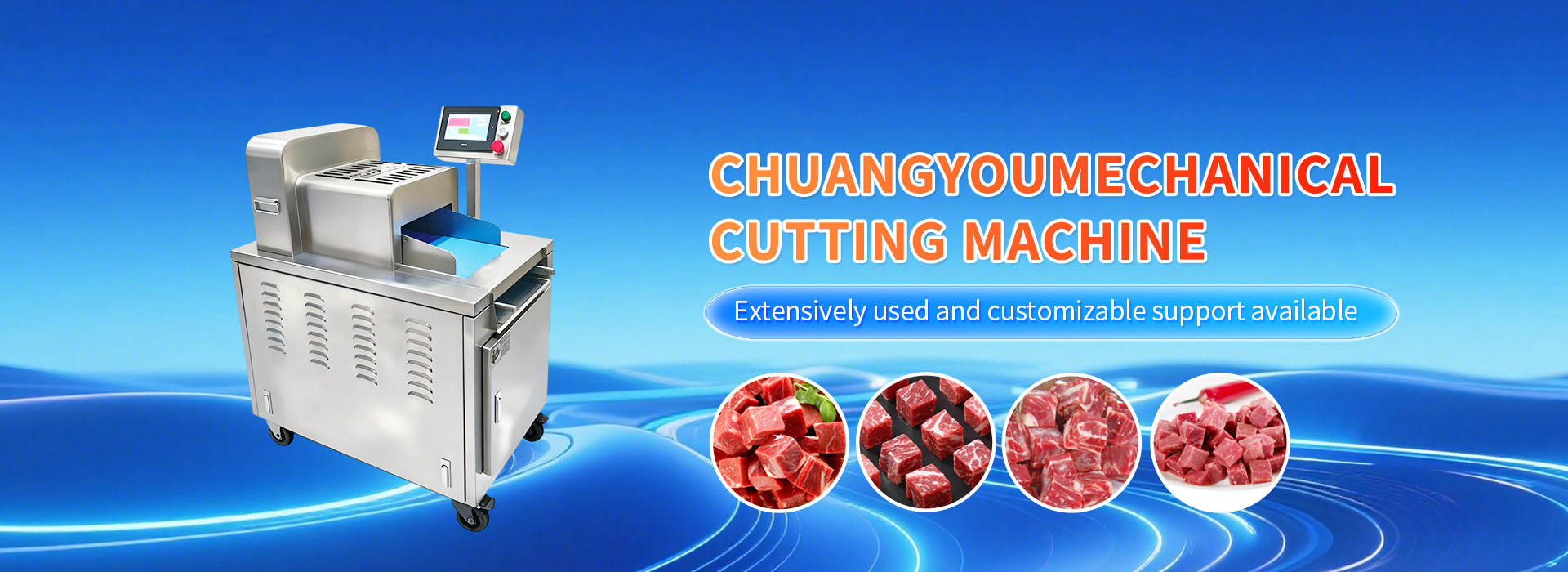
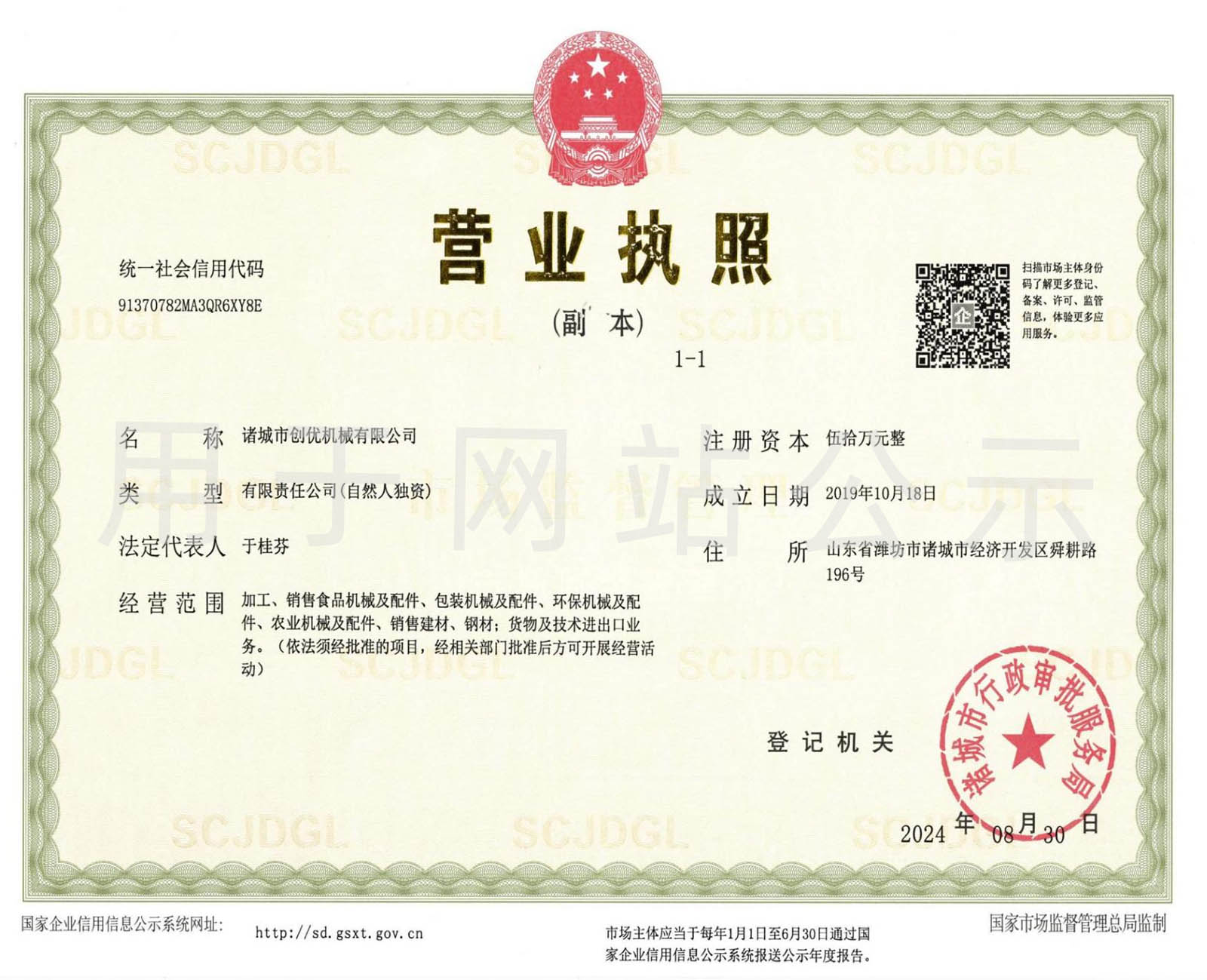
Zhucheng City Chuangyou Machinery Co., Ltd. is a supplier that provides equipment for meat processing and cutting.

Select language version

National Service Hotline

+ 86 159 5446 1819

Enterprise email

411822281@qq.com

Inquiry

language

联系我们
如果您有任何疑问,请立即联系!
Home > News
Classify

What are the types of materials for the blades of a meat slicer?

2025-11-27
The material of the meat slicer blade directly affects the cutting sharpness, wear resistance, food safety, and service life. It needs to be selected according to the processing scenario (commercial/household), meat characteristics (frozen meat/fresh meat, fat lean ratio), frequency of use, and other factors. The following are the mainstream blade material types, core characteristics, and adaptation scenarios, combined with the food machinery safety standards (GB 4806.9-2016) for detailed explanation:

1、 Mainstream blade material types (classified by material characteristics)

(1) Stainless steel material (preferred for food processing, suitable for over 90% of scenarios)

Stainless steel blades are the core choice for meat slicers due to their corrosion resistance, absence of toxic and harmful substances, and ease of cleaning. Common models include:
  1. 304 stainless steel blade (most widely used)
    • Core ingredients: 18% chromium, 8% nickel, no manganese, material meets food contact safety standards.
    • Key features:
      • Corrosion resistance: able to withstand the corrosion of meat juices and cleaning disinfectants (such as chlorine containing disinfectants), and not easy to rust;
      • Good toughness: not easily broken or rolled, suitable for processing fresh meat, semi frozen meat (-4 ℃~0 ℃), and meat with alternating fat and lean (such as pork belly and beef fat);
      • Easy to polish: After dullness, it can be polished and reused with a dedicated grinding stone, with low maintenance costs.
    • Adaptation scenarios: Home slicer, small and medium-sized food processing plants, central kitchen (daily processing capacity≤ 500kg), with the highest cost-effectiveness.
    • Caution: Not suitable for long-term processing of hard frozen meat (below -18 ℃) or meat containing a large amount of cartilage, which can easily lead to accelerated blade blunting.
  2. 316L stainless steel blade (high-end corrosion-resistant version)
    • Core component: Adding molybdenum (2%~3%) on the basis of 304, it has stronger corrosion resistance, especially resistant to chloride ion corrosion.
    • Key features:
      • Corrosion resistance upgrade: suitable for processing high salt, high acid meat (such as cured meat, preserved meat, seafood meat), or long-term use in humid and disinfected environments (such as continuous operation in food processing plants);
      • More stable material: no risk of heavy metal precipitation, meeting the safety requirements of high-end food processing (such as export food, infant and toddler food raw materials).
    • Adaptation scenarios: Large meat product factories, seafood processing enterprises, high demand central kitchens (daily processing capacity≥ 1000kg), or processing meat containing salt and acid.
    • Attention: The price is 30%~50% higher than 304 stainless steel, and there is no need to excessively choose for daily processing of ordinary meat.
  3. 420 stainless steel blade (high hardness version)
    • Core components: high carbon content (0.16%~0.25%), hardness up to HRC50~55, outstanding wear resistance.
    • Key features:
      • High hardness and long-lasting sharpness: suitable for processing hard frozen meat (-18 ℃~-10 ℃), pure lean meat (such as pork tenderloin and beef tendon), or scenes that require long-term continuous cutting;
      • Medium corrosion resistance: Pay attention to cleaning and dry storage to avoid prolonged exposure to moisture that may cause floating rust.
    • Adaptation scenarios: Commercial large-scale slicers, frozen meat processing enterprises, or food factories that mainly use hard frozen meat as raw materials.
    • Attention: The toughness is slightly lower than that of 304 stainless steel. When processing meat containing cartilage and fascia, caution should be taken to avoid blade breakage.

(2) High speed steel (HSS) blade (high wear-resistant industrial grade)

  • Core components: Contains alloying elements such as tungsten, chromium, vanadium, etc. (such as W18Cr4V), with a hardness of up to HRC60~65 and extremely strong wear resistance.
  • Key features:
    • Ultra wear-resistant: suitable for long-term processing of hard frozen meat, meat with a small amount of cartilage, or high-intensity continuous operations (such as 24-hour shifts in meat processing plants), the blade service life is 3-5 times that of ordinary stainless steel;
    • High sharpness: When cutting, the meat slices are smooth and non adhesive, with high efficiency, suitable for large-scale processing (daily processing capacity≥ 2000kg).
  • Adaptation scenarios: Large meat processing plants, slaughterhouses, frozen meat distribution centers, dedicated to industrial grade slicers.
  • Notes:
    • Poor toughness: prone to fracture when impacted or processed with hard foreign objects (such as bones), and difficult to repair after fracture, requiring overall replacement;
    • Food safety requirements: Food grade high-speed steel (lead-free, no heavy metal precipitation) should be selected to avoid industrial grade high-speed steel contaminating meat;
    • High maintenance costs: After blunting, professional equipment is required for polishing (ordinary sharpening stones cannot polish), and the price is relatively high (2-3 times that of 304 stainless steel).

(3) Ceramic blade (niche high-end model)

  • Core component: Zirconia (ZrO ₂) ceramic, sintered at high temperatures, with a hard and odorless material.
  • Key features:
    • Ultra high hardness: second only to diamond in hardness, with long-lasting sharpness, almost no adhesion when cutting fresh meat, fruits and vegetables, and good taste of meat slices;
    • Completely corrosion-resistant: no rust, no reaction with meat juices, suitable for processing high salt and high acid meat, and easy to clean (rinse with water);
    • Food safety: No heavy metal precipitation, suitable for scenarios with extremely high hygiene requirements (such as household use, infant food processing).
  • Applicable scenarios: household small slicer, high-end catering kitchen (processing exquisite cold dishes, sashimi grade meat).
  • Notes:
    • Extremely poor toughness: afraid of falling and impact, prohibited from processing frozen meat or meat with cartilage, otherwise it is prone to breakage;
    • Unable to polish: After blunting, the blade needs to be replaced as a whole, and the long-term use cost is high;
    • Expensive price: The price of a single blade is 5-10 times that of 304 stainless steel.

(4) Carbon steel blade (niche industrial grade, gradually phased out)

  • Core components: ordinary high carbon steel (such as 45 steel), with high hardness and extremely low price.
  • Key characteristics: Wear resistant, sharp, but highly prone to rusting, and rusting can contaminate meat, which does not meet food contact safety standards.
  • Adaptation scenario: Only used in non food processing fields (such as industrial raw material cutting), prohibited for meat processing.
  • Attention: The food processing industry has been largely phased out, and it is important to avoid purchasing; Carbon steel blade; Identification, priority should be given to stainless steel or ceramic materials.

Contact way

Zhucheng Chuangyou Machinery Co., LTD

Contact person: Mr. Zhang

Phone:15954461819

Email:411822281@qq.com

Address: No. 196, Shunqing Road, Economic Development Zone, Zhucheng City

Copyright © Zhucheng Chuangyou Machinery Co., LTD All rights reserved

备案号:鲁ICP备2025196235号